Understanding Anxiety in Dogs: Symptoms, Causes, and Support
7 Indoor Activities FOR Reactive Dogs
The Reactive Dog Rollercoaster: Why Progress Isn’t Linear
Counterconditioning vs Desensitisation
Why Obedience Doesn’t Fix Reactivity
Training a Reactive Dog in a Busy Area
First 3 Skills Every Reactive Dog Needs
Can You Fix Reactivity? What Science Actually Says…
5 Calm‑Down Games Before a Walk

The Shame Reactive Dog Owners Carry (And How to Let It Go)
Why Busy Environments may Make Reactivity Worse for Dogs
Best Harnesses & Leads for Reactive Dogs

How to Handle Sudden Triggers on Walks With a Reactive Dog
Best Times of Day to Walk a Reactive Dog
How to Walk a Reactive Dog With LESS Stress
5 Things You Can Change This Week to Support Your Dog’s Reactivity
If your dog is reactive, you do not need to fix everything at once. Small changes can make a real difference, especially when they reduce stress and prevent repeated blow-ups.

REACTIVITY: You’re Not a Bad Owner — Your Dog Is Struggling
Genetics vs Environment in Reactivity
Reactivity is rarely caused by just one thing. In most dogs, it is shaped by a combination of genetics, early life experiences, learning, stress, and sometimes pain.
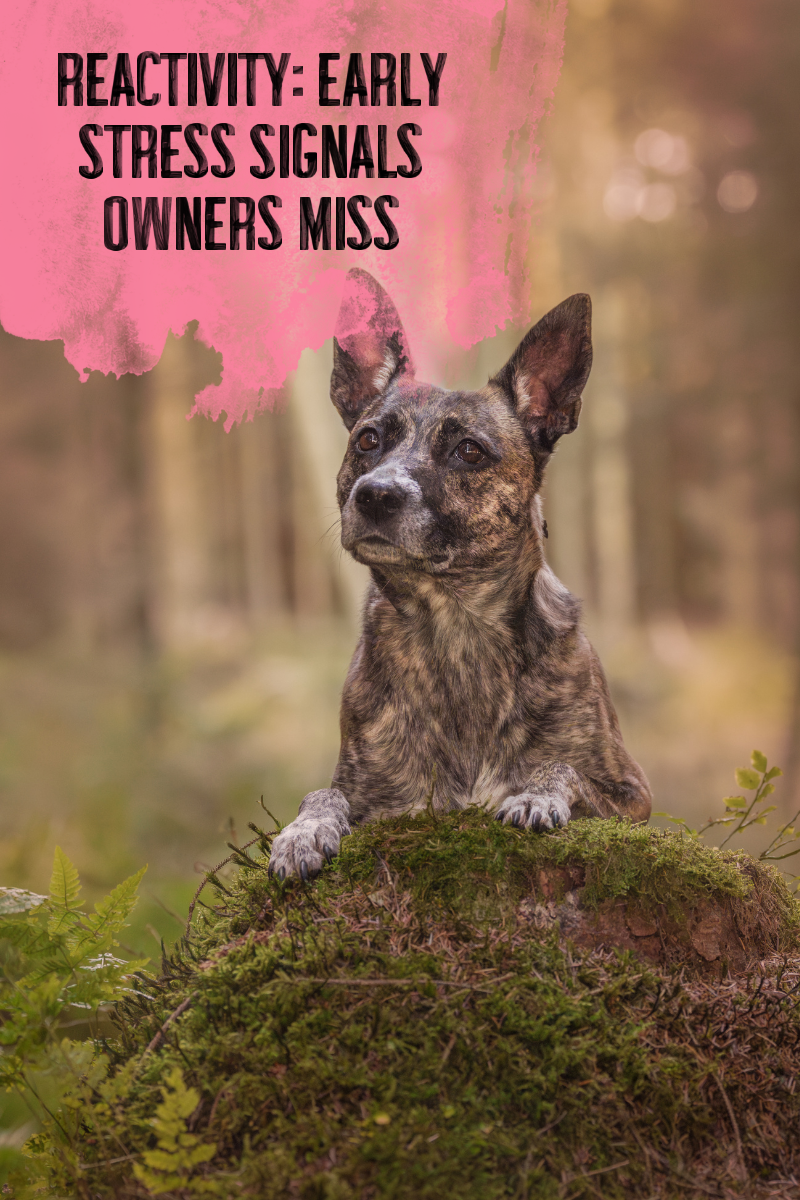
REACTIVITY: Early Stress Signals Owners Miss
The biggest reactions usually do not start with barking. They start with much smaller body-language signals that many owners miss the first few times.