

5 Calm‑Down Games Before a Walk
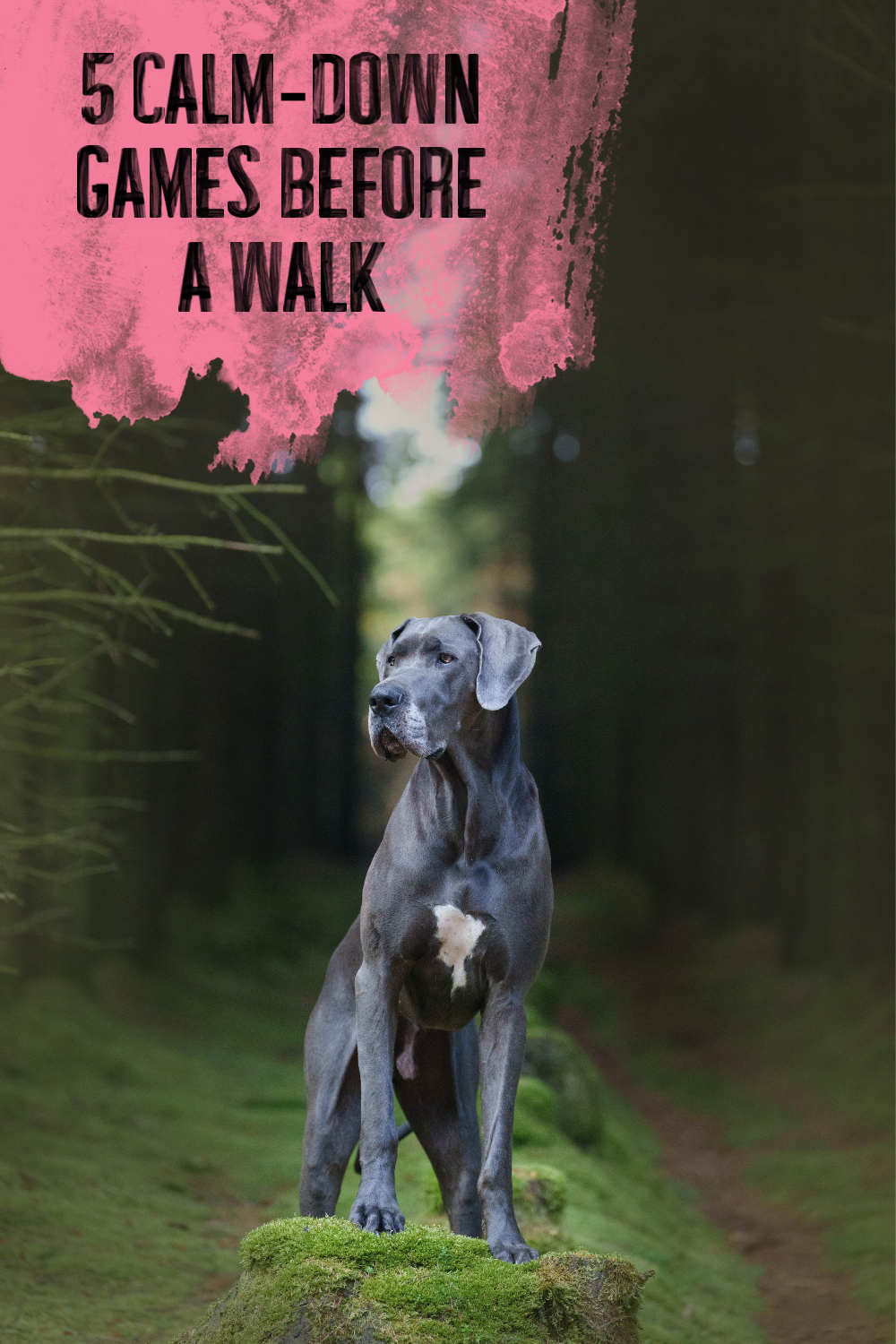
For reactive dogs, the moments before a walk can be just as important as the walk itself. Many dogs begin their outing already carrying tension — anticipating triggers, feeling excited, or bracing for the unpredictable. This pre‑walk arousal can make it harder for them to cope with the world once they step outside.
Calm‑down games are not obedience drills or distractions. They are regulation tools — activities that help the dog shift from anticipation to groundedness, from tension to curiosity, from hypervigilance to emotional readiness.
These games work because they tap into natural canine behaviours: sniffing, orienting, patterning, and rhythmic movement. Research shows that such behaviours activate the parasympathetic nervous system, supporting emotional regulation and lowering arousal (Horowitz, 2017; McGowan et al., 2014).
Why Calm‑Down Games Work
Calm‑down games help reactive dogs because they:
Lower arousal through rhythmic, predictable movement
Activate the seeking system in a safe, controlled way
Engage the nose, which has been shown to reduce stress and promote calmness
Shift the dog’s focus from external triggers to internal regulation
Build a sense of safety before entering an unpredictable environment
Scent‑work and low‑intensity cognitive tasks reduce stress and promote behavioural stability (Duranton & Horowitz, 2019). Similarly, predictable patterns help animals regulate in environments that might otherwise feel overwhelming (Hennessy et al., 1997).
The Games
Scent‑Scatter
Scatter a handful of treats on the floor and allow your dog to sniff them out slowly. Sniffing is one of the most powerful natural regulators for dogs, activating the parasympathetic nervous system and lowering heart rate (Horowitz, 2017).
This game is ideal when your dog is:
Anticipating the walk
Pacing or whining
Hyper‑focused on the door
It shifts the dog from forward‑driving energy to nose‑down calmness.
The Slow‑Sniff Trail
Place a short trail of treats leading away from the door. This encourages slow, deliberate movement and reduces the “doorway explosion” many reactive dogs experience.
Research shows that cognitive tasks involving scent reduce stress and improve emotional resilience (McGowan et al., 2014).
The Orientation Game
Stand quietly and reward your dog each time they look at you. Dogs who check in with their guardian before a walk are more likely to stay connected during challenging moments outside, and it gives them something easy to ‘win’ at before going for a walk.
The Pattern Loop
Move in a small, predictable loop inside your home or garden. Pattern games create rhythm, and rhythm creates regulation. This is especially helpful for dogs who struggle with transitions.
The “Find It” Reset
Toss a single treat to the side and allow your dog to sniff it out. This simple behaviour interrupts spiralling arousal and alternating directions after they orientate back to you can build motivation.
References
Beerda, B., et al. (1998). Behavioural, saliva cortisol and heart rate responses to different types of stimuli in dogs. Applied Animal Behaviour Science.
D’Aniello, B., et al. (2018). Interspecies transmission of emotional information via chemosignals: from humans to dogs. Animal Cognition.
Duranton, C., & Horowitz, A. (2019). Let me sniff! Nosework induces positive judgment bias in pet dogs. Applied Animal Behaviour Science.
Hennessy, M.B., et al. (1997). Effects of predictable vs. unpredictable stressors on behaviour and physiology. Physiology & Behavior.
Horowitz, A. (2017). Smelling themselves: Dogs investigate their own odours longer when modified in an olfactory mirror test. Behavioural Processes.
Horwitz, D., & Mills, D. (2012). BSAVA Manual of Canine and Feline Behavioural Medicine.
McGowan, R.T.S., et al. (2014). Cognitive testing and welfare: effects of cognitive challenge on dogs. Applied Animal Behaviour Science.
Mills, D.S., et al. (2014). Stress and behavioural disorders in dogs. Journal of Veterinary Behavior.