Counterconditioning vs Desensitisation
Why Obedience Doesn’t Fix Reactivity
Training a Reactive Dog in a Busy Area
First 3 Skills Every Reactive Dog Needs
Can You Fix Reactivity? What Science Actually Says…
5 Calm‑Down Games Before a Walk

The Shame Reactive Dog Owners Carry (And How to Let It Go)
Why Busy Environments may Make Reactivity Worse for Dogs
Best Harnesses & Leads for Reactive Dogs

How to Handle Sudden Triggers on Walks With a Reactive Dog
Best Times of Day to Walk a Reactive Dog
How to Walk a Reactive Dog With LESS Stress
5 Things You Can Change This Week to Support Your Dog’s Reactivity
If your dog is reactive, you do not need to fix everything at once. Small changes can make a real difference, especially when they reduce stress and prevent repeated blow-ups.

REACTIVITY: You’re Not a Bad Owner — Your Dog Is Struggling
Genetics vs Environment in Reactivity
Reactivity is rarely caused by just one thing. In most dogs, it is shaped by a combination of genetics, early life experiences, learning, stress, and sometimes pain.
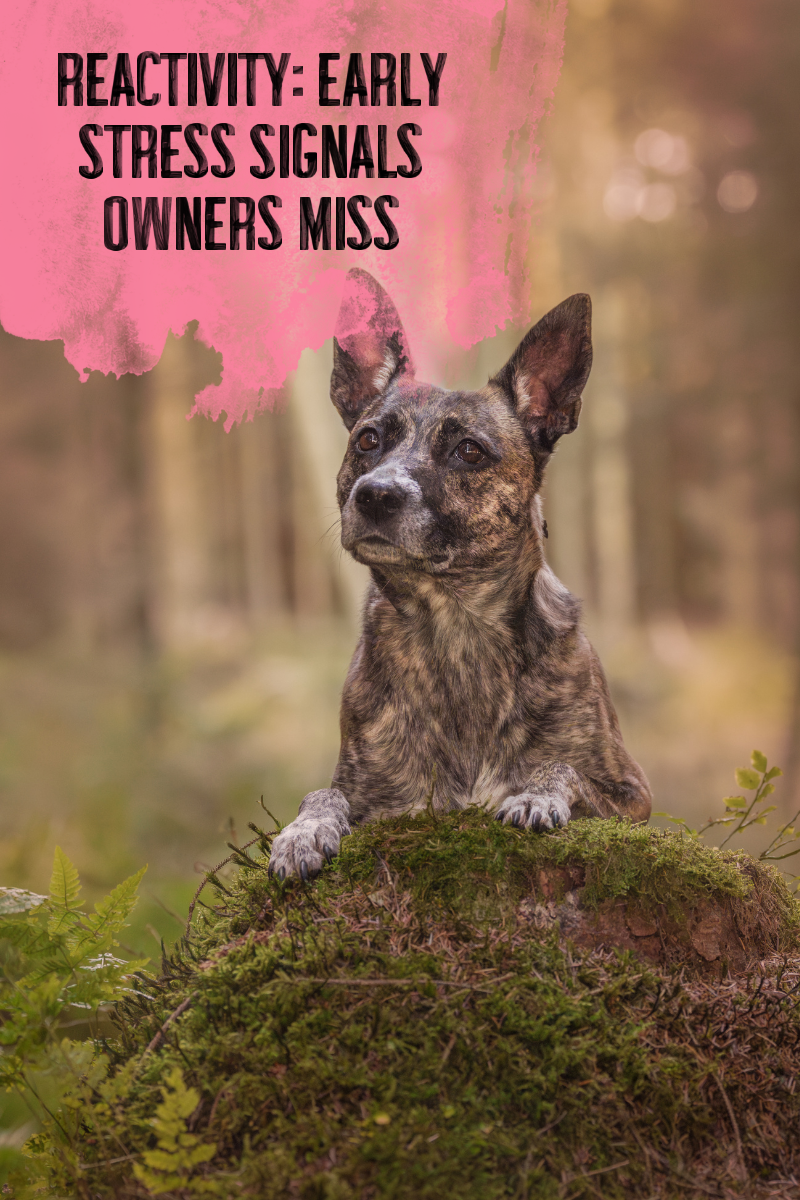
REACTIVITY: Early Stress Signals Owners Miss
The biggest reactions usually do not start with barking. They start with much smaller body-language signals that many owners miss the first few times.
Why Dogs React More on the Lead
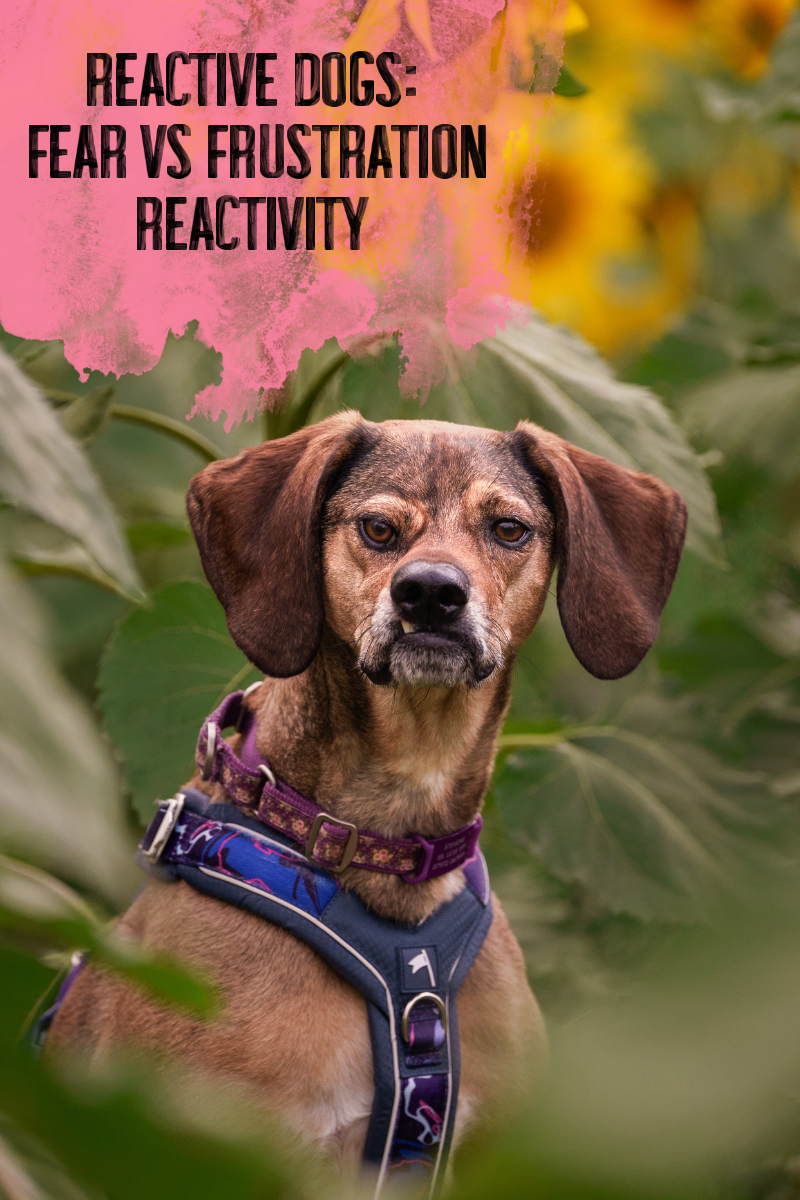
Fear vs Frustration Reactivity
Reactive behaviour is not one single thing. Two dogs can bark and lunge for very different reasons: one because they are scared, and one because they are frustrated. In behavioural science, these are often described as defensive (fear-driven) versus appetitive or goal-blocked (frustration-driven) responses, and they are associated with different emotional and physiological states (Mills, 2005; Sherman & Mills, 2008).
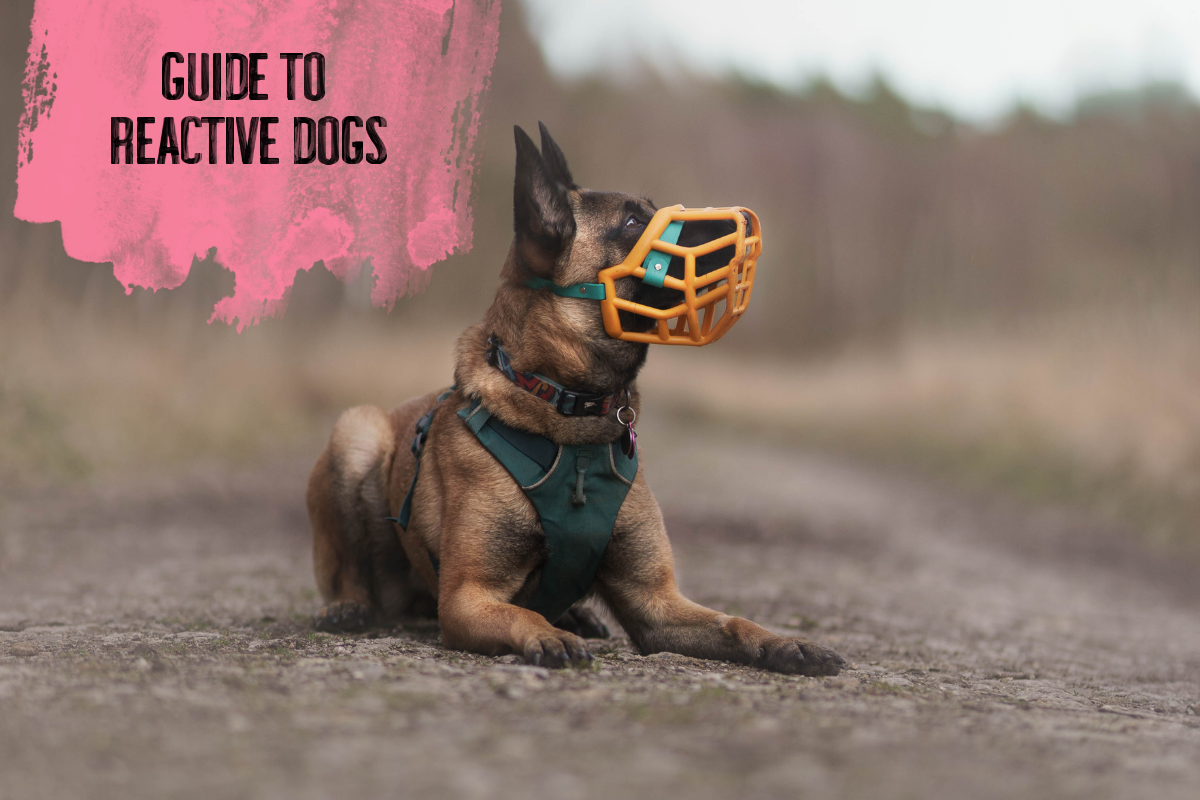
The Complete Guide to Reactive Dogs: Causes, Signs, and What You Can Do
A clear, compassionate guide to reactive dogs, including causes, signs, and practical next steps for owners who want calmer walks and less stress.