

Ways to Advocate for Your Reactive Dog
Living with a reactive dog changes the way you move through the world. Walks require planning, interactions take thought, and sometimes you’re carrying more emotional weight than anyone realises. If you’ve ever felt the need to apologise for your dog, explain their behaviour, or leave a situation early, you’re not alone.
Advocating for your reactive dog isn’t about being difficult or overprotective. It’s about helping your dog feel safe in a world that often expects them to tolerate anything and everything. Every time you advocate for them, you build both of your confidence, and protect their welfare.
Learn to Read Your Dog’s Body Language
Reactive behaviour rarely comes out of nowhere. Long before a bark, lunge, or freeze, your dog is communicating discomfort in subtle ways. Lip licking, yawning, turning their head away, slowing down, stiffening through the body, or suddenly becoming very still are all signs your dog may be struggling.
Learning to recognise these early signals allows you to step in before your dog feels overwhelmed. Advocacy often begins quietly, in those small moments where you notice tension building and choose to change the situation for them.
Create Space Without Apology
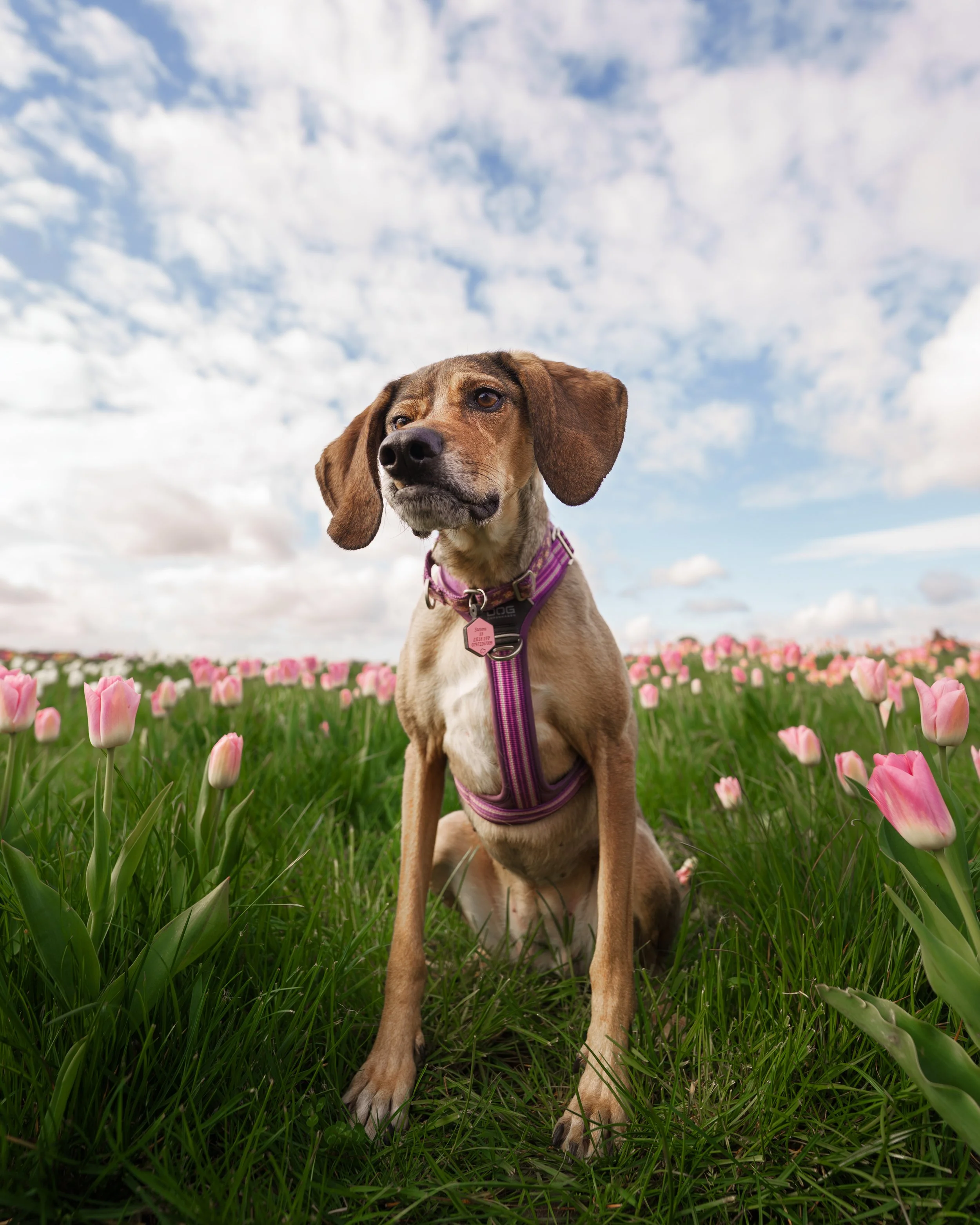
Distance is one of the most powerful tools for supporting reactive dogs. Whether your dog struggles with other dogs, people, or busy environments, creating space can prevent situations from escalating.
That might mean stepping off a path, turning around, crossing the road, or calmly repositioning yourself between your dog and a trigger. You don’t owe anyone an explanation for this. Protecting your dog’s emotional wellbeing will always matter more than being polite to strangers [say it three times to yourself, at least!]. This includes how and when we choose to work on specific behaviours or responses to the world.
Be Your Dog’s Voice
Not everyone understands reactive dogs, unfortunately, it does mean you may need to speak up on their behalf. Clear, calm communication can prevent misunderstandings and help others adjust their behaviour before things become stressful.
Simple phrases like:
“NO”
“RECALL YOUR DOG”
“NO THANK YOU”
“RECALL YOUR DOG, PLEASE”
Advocacy doesn’t have to be confrontational - although, please bear in mind I don’t always practice what I preach with my own dogs(!). It’s about setting boundaries in a way that keeps your dog feeling safe.
Use Visual Signals to Support Your Reactive Dog
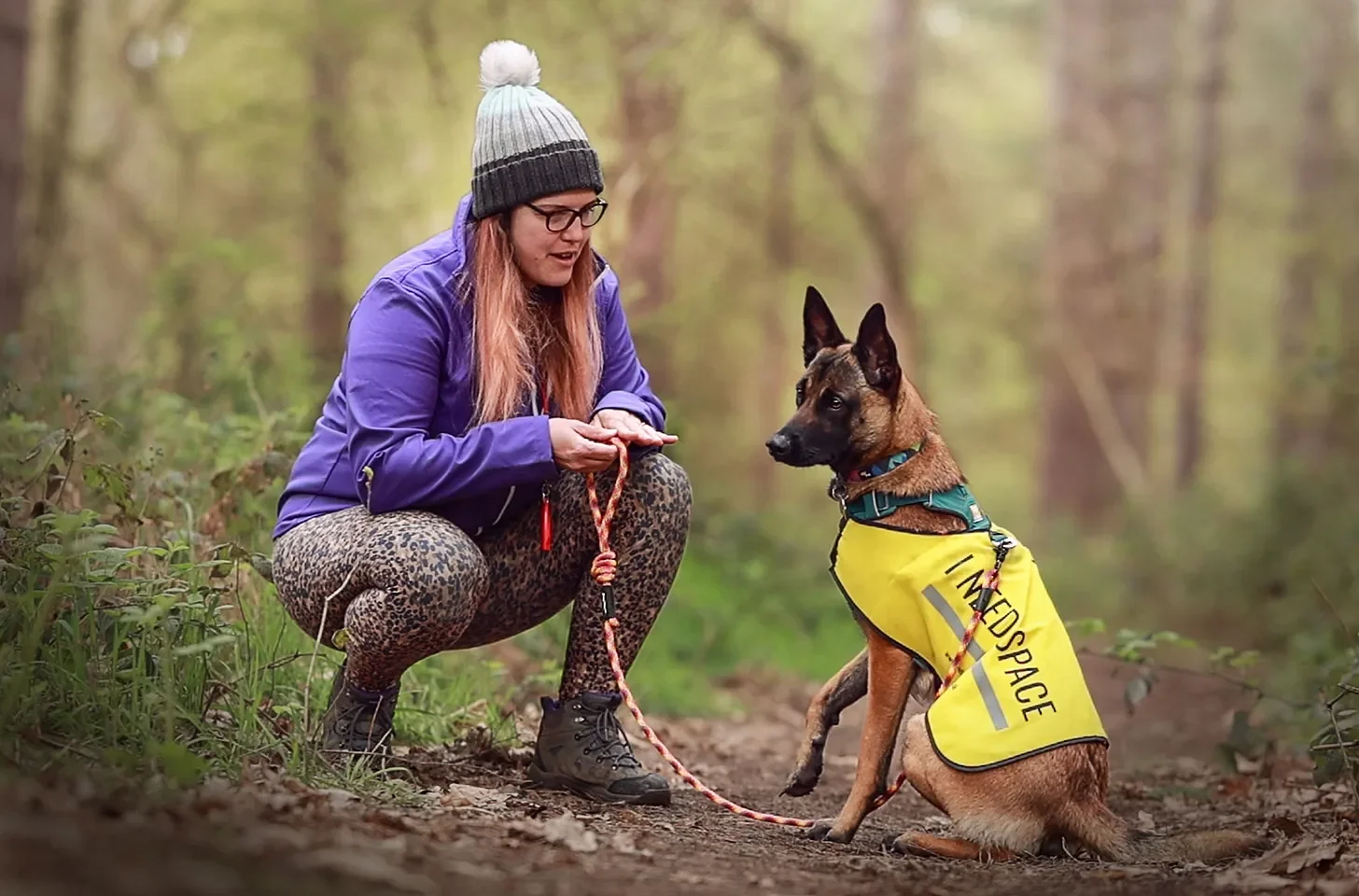
Harnesses, leads, or patches that say “Nervous,” “Needs Space,” or “Reactive Dog” can be incredibly helpful. These act as quiet advocates for your dog, reducing the need for constant explanations and giving others the opportunity to respond respectfully before getting too close.
For many reactive dog owners, these signals bring a sense of relief—you don’t have to speak up every time, because the message is already there.
Choose Environments That Set Your Dog Up for Success
Advocating for your reactive dog often means making thoughtful choices about where and when you go. Quieter times of day, open spaces, and predictable environments can make a huge difference to how your dog copes in the early stages of managing and training around their feelings about the world.
This isn’t about avoiding life or “giving in” to fear. It’s about building positive experiences gradually, allowing your dog to feel safe enough to learn and relax. Sometimes advocacy simply means recognising when enough is enough and heading home early—and that’s okay.
Let Your Dog Say No
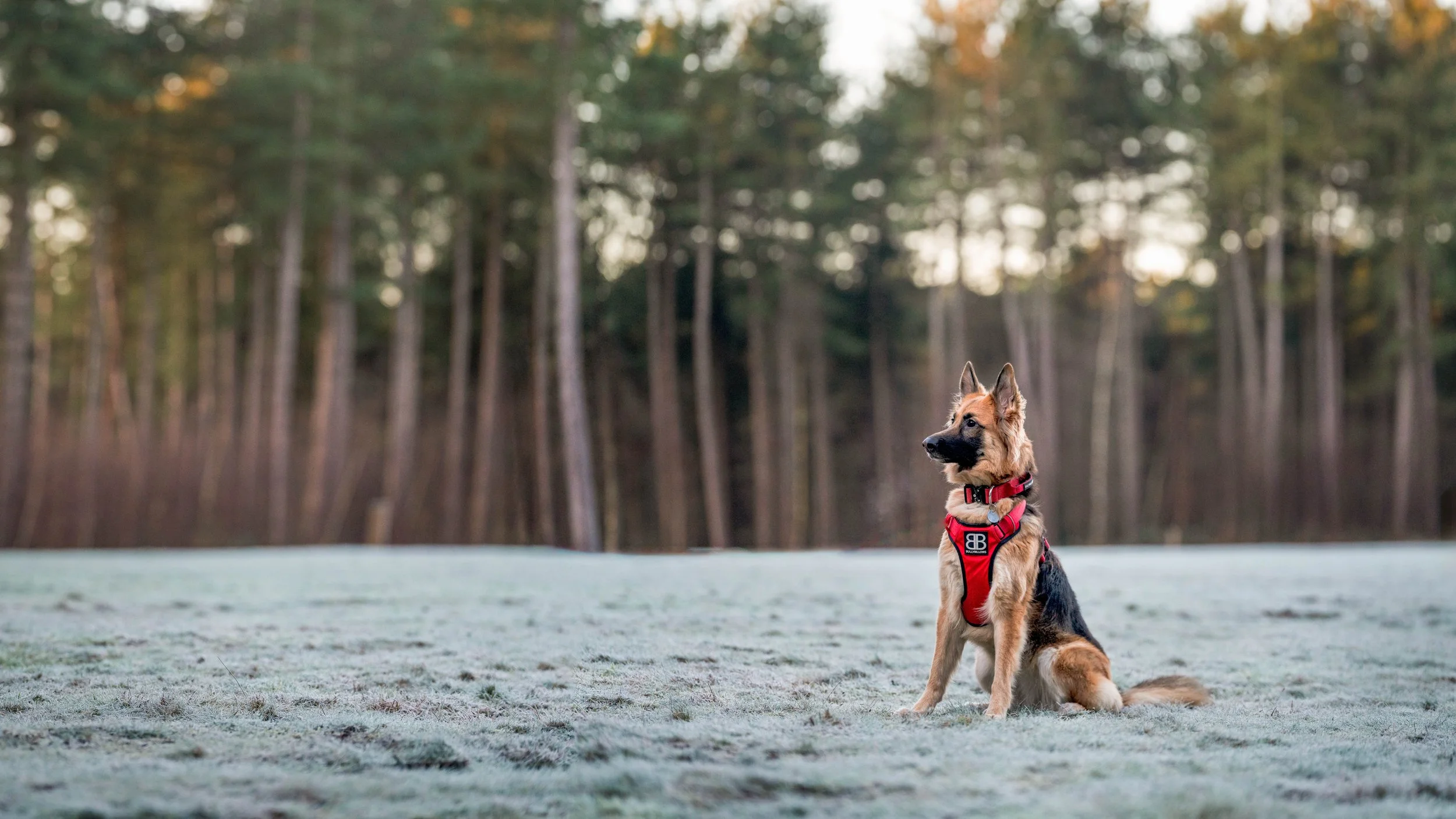
Not every dog wants to be touched, greeted, or interacted with—and that’s valid. Allowing your dog to opt out of interactions teaches them that their boundaries matter.
When dogs feel listened to, they’re less likely to escalate their behaviour to be heard. Advocacy means respecting consent, even when others expect friendliness or compliance.
Celebrate Progress, Not Perfection
Living with a reactive dog often means progress is quiet and slow. A calmer glance instead of a reaction, a quicker recovery, or choosing to disengage are all meaningful wins.
Advocating for your dog also means adjusting expectations—both yours and others’. Reactive dogs don’t need to be “fixed” to be worthy of love, celebration, or beautiful experiences.
Choose Professionals Who Understand Reactive Dogs
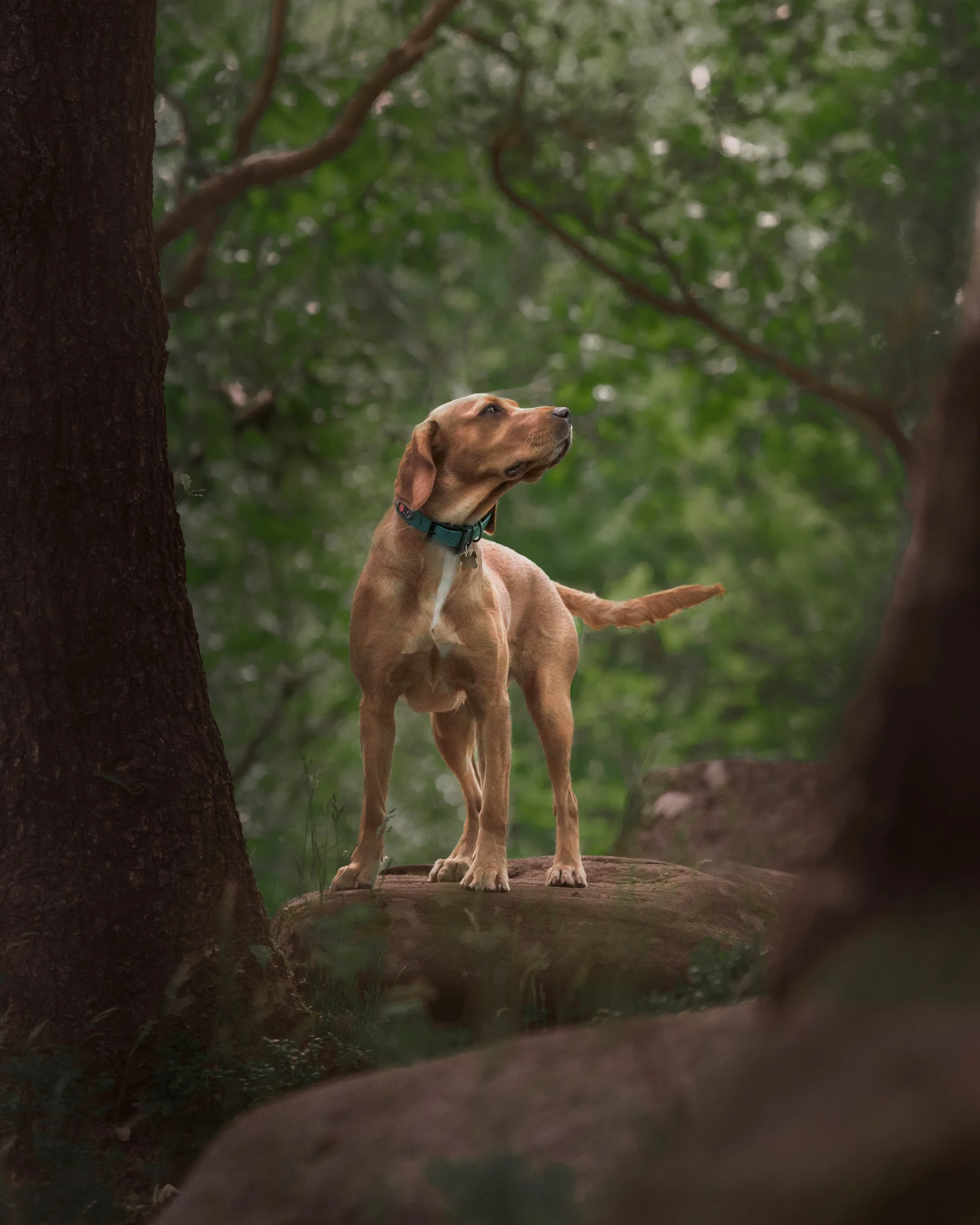
Whether it’s a trainer, vet, groomer, or photographer, advocating for your dog includes choosing professionals who truly understand reactivity. Not every service is the right fit—and saying no is sometimes the kindest choice you can make.
Working with people who prioritise welfare, patience, and consent allows your dog to feel safe and supported, rather than pushed or misunderstood.
Be Kind to Yourself
Advocating for a reactive dog takes energy. It can feel isolating, exhausting, and emotionally heavy at times. You’re allowed to have hard days. You’re allowed to step back. And you’re allowed to protect your peace as much as your dog’s.
If you’re advocating for your reactive dog, you’re already doing something incredibly important. You are their safe place, their voice, and their constant.
Many of the techniques I use when advocating for your reactive dog—creating space, moving at their pace, reading subtle body language—are the same ones I bring to every photography session with reactive dogs