

Reactive Dog FAQs: Owners Want to Know
If you live with a reactive dog, you’re not alone. Many owners feel unsure how to manage their dog’s triggers, understand their behaviour, or even how to let them enjoy new experiences—like photography sessions. I’ve worked with reactive dogs for years, both as a trainer and as a photographer, and I want to share answers to the questions I hear most often.
What is a reactive dog?
A reactive dog isn’t “bad” or “naughty.” Reactivity is a heightened response to certain stimuli, often due to fear, anxiety, or overstimulation. Your dog might bark, growl, lunge, freeze, or hide in situations that feel overwhelming to them. Every dog is different, and triggers can range from other dogs and people to loud noises, sudden movement, or busy environments.
There are subtle signs long before a full reaction occurs. Look for:
Lip licking, yawning, or turning the head away
Stiffened body posture or freezing
‘Hard Stare’ at trigger
Tucked tail or sudden hesitation
Avoiding eye contact or retreating
Recognising these early signals allows you to intervene before your dog feels stressed or overwhelmed.
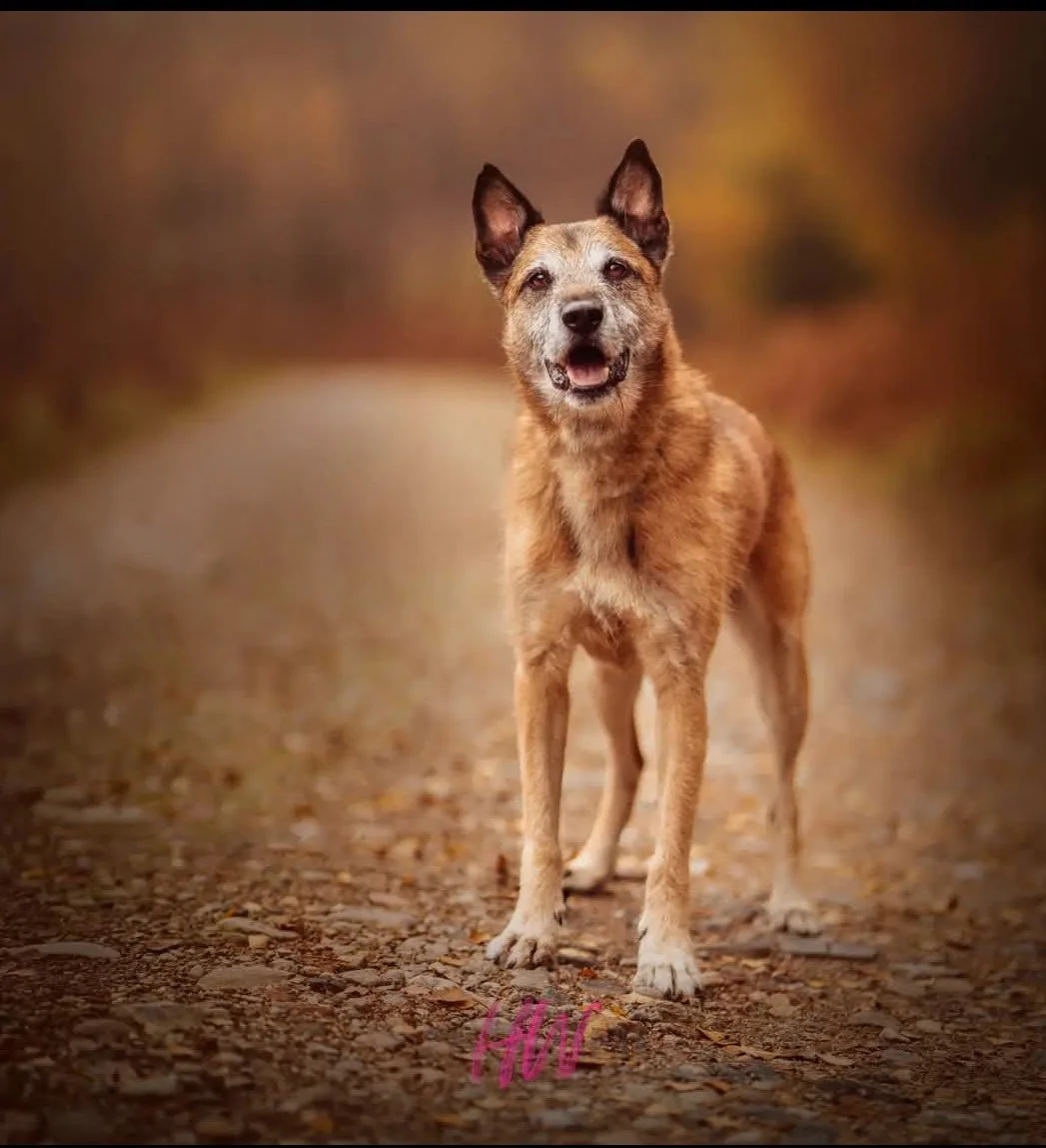
Can reactive dogs enjoy new experiences, like walks or photography experiences?
Absolutely. With the right approach, reactive dogs can thrive in new situations. I create photography sessions that let dogs move at their own pace, explore quietly, and feel safe. Over time, positive experiences help reactive dogs feel calmer and more confident in unfamiliar environments.
If you’d like to see how this works, check out my Dog Photography Experience page.
Are reactive dogs dangerous?
Not necessarily. Reactivity is usually a communication tool rather than aggression. Dogs react because they feel stressed, overstimulated or unsafe. Understanding triggers, respecting boundaries, and giving your dog space prevents escalation. In overwhelming situations many reactive dogs are showing a fight, flight or freeze response, and not their true personality.
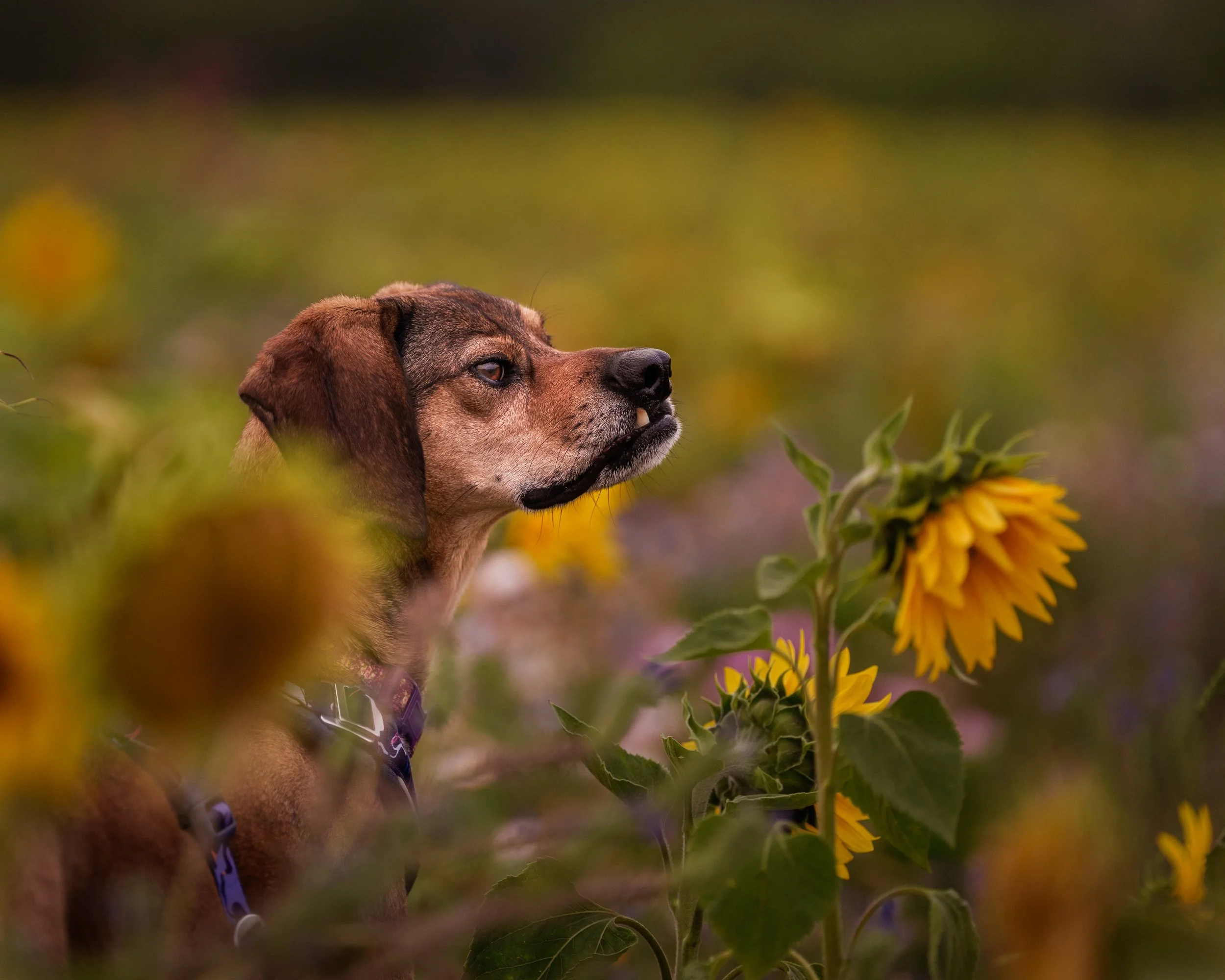
Do I need professional help?
Sometimes. If reactivity is severe, a qualified trainer or behaviourist can provide strategies to help your dog cope. But even small steps—like positive reinforcement, careful management of pain, and patience—can make a big difference. Combining this with a supportive team of animal professionals, will give you peace of mind.
Why understanding reactive dogs matters
Reactive dogs aren’t “broken.” They’re sensitive, expressive, and often deeply loyal. By learning their signals, advocating for their needs, and celebrating small victories, you help them feel safe, build confidence, and enjoy life more fully. Photography, walks, and other experiences become opportunities to strengthen trust and bond with your dog.

Ready to celebrate your reactive dog?
If you’d like to see your dog’s true personality captured in a calm, stress-free session, my Dog Photography Experience is designed specifically with reactive dogs in mind. Every session is tailored to your dog’s pace, personality, and comfort.
Reactive dogs deserve to be celebrated just as much as any other dog—and I’d love to help you do that.