

Handling Judgement from Other Dog Owners: Protecting Your Confidence in a World That Doesn’t Always Understand
Judgement is one of the most painful and destabilising experiences reactive‑dog guardians face. It arrives in many forms: the raised eyebrow when your dog barks, the muttered comment as you create distance, the dramatic leash‑yank from someone who believes your dog is dangerous, or the unsolicited advice from people who have never lived with a sensitive dog. These moments land heavily because they strike at the intersection of identity, responsibility, and emotional labour.
Reactive‑dog guardians are already carrying a complex psychological load — anticipatory anxiety, hypervigilance, caregiver burden, and the constant effort of managing unpredictable environments. When judgement enters that landscape, it does not simply add discomfort; it amplifies existing stress and undermines the fragile confidence guardians work so hard to build.
Why Judgement Hurts So Deeply
Judgement from other dog owners is not just a social inconvenience. It is an emotional event that interacts with the guardian’s existing psychological state. Guardians of behaviourally challenged dogs experience elevated levels of stress, guilt, and social withdrawal (Christiansen et al., 2016). When someone judges your dog, it feels like they are not simply commenting on behaviour, they are also commenting on your competence, your effort, and your relationship with your dog.
This emotional sensitivity is intensified by attachment. Dogs form bonds with their guardians similar to infant–caregiver relationships (Topál et al., 1998). When your dog is criticised, your attachment system activates, creating a sense of protectiveness and vulnerability. You are not just defending your dog; you are defending the relationship itself.
Judgement also interacts with anticipatory anxiety. Reactive dog guardians often enter walks already bracing for potential triggers or social conflict (Grupe & Nitschke, 2013). When judgement occurs, it confirms the fear you were already carrying, reinforcing hypervigilance and increasing the likelihood of future anticipatory stress.
Judgement threatens identity. This identity is shaped by love, responsibility, and emotional labour. When others judge your dog, they threaten that identity, creating shame and self‑doubt.
Why Other Dog Owners Judge — And Why It Has Nothing to Do With You
Most judgement arises from misunderstanding rather than malice. Many dog owners have only lived with socially confident, environmentally stable dogs. Their experience of dog behaviour is narrow, and they assume their dog’s ease is universal. When they encounter reactivity, they interpret it through the lens of their own experience, often concluding that the behaviour must be caused by poor training, lack of discipline, or owner incompetence.
Reactivity is a stress‑based response shaped by genetics, environment, early experiences, and emotional learning (Hennessy et al., 2020; Overall, 2013). It is not a moral failing. It is not a training deficit. It is not a reflection of your capability. Other dog owners also misinterpret body language. Fear is mistaken for aggression. Avoidance is mistaken for stubbornness. Hypervigilance is mistaken for “bad behaviour.” These misinterpretations are common because most people have never been taught to read canine emotional states accurately.
Judgement can also arise from projection. Some owners feel threatened when they perceive another dog as unpredictable, even if your dog is under control. Their reaction reflects their own fear, not your reality. Understanding these dynamics does not erase the sting of judgement, but it helps you detach from it. Their reaction is about their knowledge, their experience, and their insecurities — not your competence.
Social Pressure on Walks
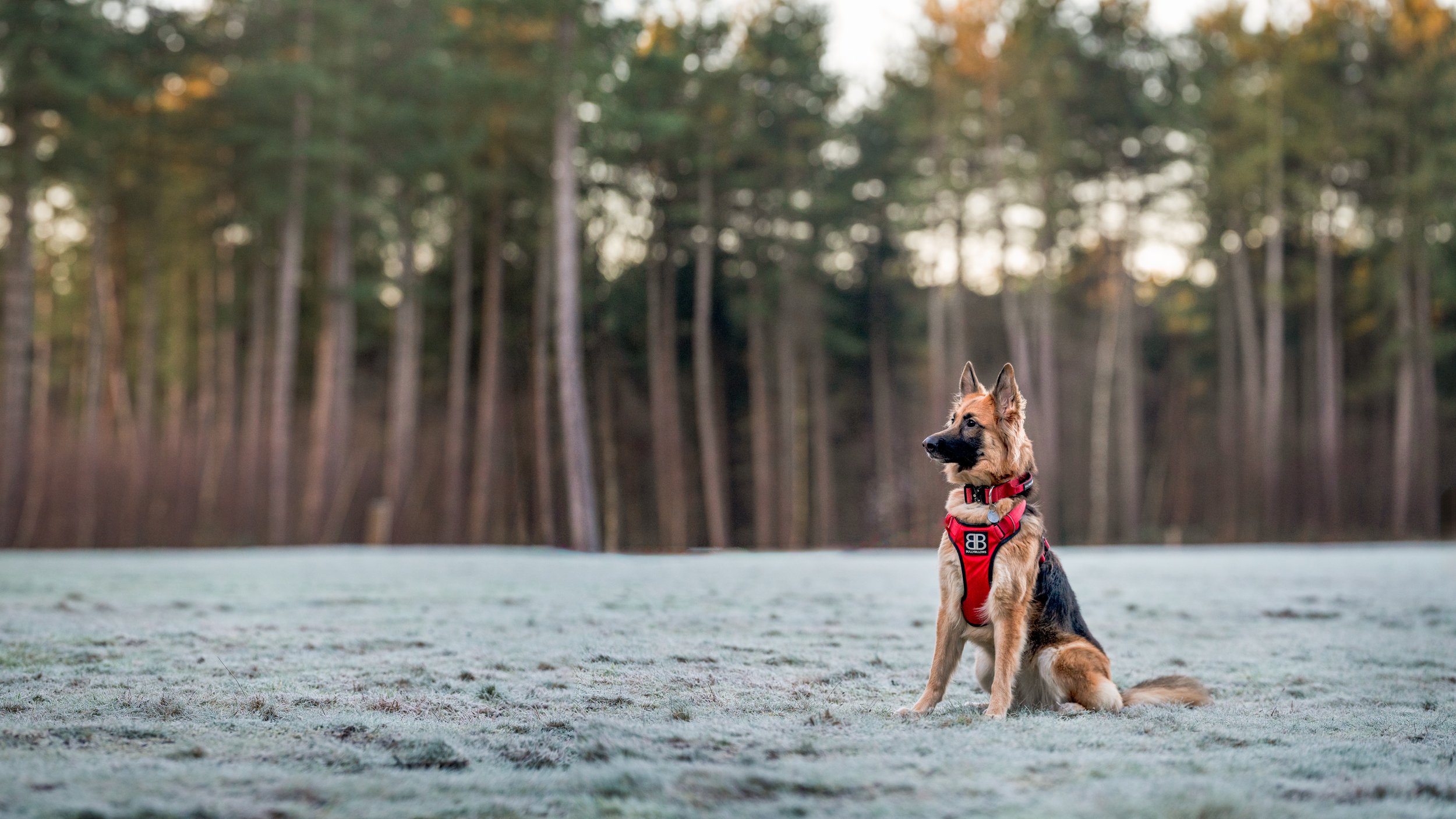
Social pressure is not abstract; it is physiological. When you feel judged, your nervous system responds. Heart rate increases, breathing becomes shallow, muscles tense, and cognitive processing narrows. These responses mirror the dog’s own stress physiology (Beerda et al., 1998). This is why judgement can make even simple outings feel difficult. It is not “in your head.” It is in your body.
Humans have evolved to be a social species that, in the evolutionary environment, relied heavily on the social network for survival, so when you are judged by another it ‘threatens’ your position within the social network or group. This can be a highly aversive experience, regardless of your actual relationship with that other person.
How Judgement Undermines Confidence
Confidence is fragile when social pressure is high. Judgement erodes confidence in several interconnected ways.
First, it increases hypervigilance. You begin scanning for people as much as your dog scans for triggers. This dual vigilance increases cognitive load and reduces your ability to remain calm and grounded.
Second, judgement amplifies anticipatory anxiety. You start worrying about reactions, comments, or confrontations before they occur. This anticipatory stress reduces your emotional bandwidth and makes it harder to respond effectively when your dog needs support.
Third, judgement reduces perceived competence. Even if you are doing everything right — managing distance, reading body language, supporting recovery — judgement makes you doubt your ability. Confidence is built through mastery experiences (Bandura, 1997), and judgement disrupts those experiences by reframing success as failure.
Finally, judgement creates shame. Shame is one of the most powerful inhibitors of confidence. It makes you want to withdraw, avoid walks, or hide your dog from public view. Shame distorts progress, making one difficult encounter overshadow weeks of improvement.
How to Handle Judgement Without Losing Your Confidence
Confidence is not built by avoiding judgement; it is built by learning to navigate it without internalising it.
Reframe the Encounter
Cognitive reframing reduces anticipatory anxiety and helps regulate emotional responses (Grupe & Nitschke, 2013). Instead of interpreting judgement as a reflection of your competence, reframe it as a reflection of their understanding. “They don’t understand reactivity.” “They’ve never lived with a dog like mine.” “They’re reacting to their own fear.” Reframing shifts the emotional weight away from you.
Use Distance as Emotional Protection
Distance is not just a behavioural tool for dogs; it is an emotional tool for guardians. Stepping away from judgement reduces social threat and helps regulate your nervous system. Distance creates space for clarity, calmness, and self‑trust.
Rely on Prepared Scripts
Prepared scripts reduce cognitive load during stressful encounters. They give your brain a clear pathway when emotions are high.
Protect Your Walks Through Boundaries
You do not owe access to your dog. You do not owe explanations. You do not owe proximity. Boundary‑setting is a confidence skill.
Anchor Yourself in Your Dog’s Progress
Judgement is loud. Progress is quiet. Confidence grows when you notice the subtle signs of emotional change. These micro‑wins matter more than any stranger’s opinion.
Seek Community That Understands
Social buffering — support from people who understand — reduces stress and increases resilience (Hostinar et al., 2014). Reactive dog communities provide validation for your feelings or perceptions of living with a reactive dog, and emotional safety.
Practise Self‑Compassion
Self‑compassion reduces shame and increases confidence (Neff, 2011). Speak to yourself the way you would speak to a friend in the same situation.
Judgement from other dog owners says nothing about your competence. It says everything about their understanding. You are doing something emotionally complex, intensely demanding and profoundly compassionate. You are supporting a sensitive dog in a world that often moves too fast for them.
Confidence is not built by avoiding judgement. It is built by recognising that judgement is irrelevant, and utilising critique from trusted individuals to grow your skills and resilience.
References
Bandura, A. (1997). Self‑Efficacy: The Exercise of Control.
Beerda, B., et al. (1998). Behavioural, saliva cortisol and heart rate responses to different types of stimuli in dogs. Applied Animal Behaviour Science.
Christiansen, S.B., et al. (2016). The burden of caring for animals with behavioural problems. Veterinary Record.
D’Aniello, B., et al. (2018). Interspecies transmission of emotional information via chemosignals. Animal Cognition.
Grupe, D.W., & Nitschke, J.B. (2013). Anticipatory anxiety: mechanisms and treatment. Nature Reviews Neuroscience.
Handlin, L., et al. (2011). Human–dog interaction and oxytocin release. Psychoneuroendocrinology.
Hennessy, M.B., et al. (1997). Effects of predictable vs. unpredictable stressors on behaviour and physiology. Physiology & Behavior.
Hennessy, M.B., et al. (2020). Stress, fear, and anxiety in dogs: neurobiology and behaviour. Journal of Veterinary Behavior.
Hostinar, C.E., et al. (2014). Social buffering of stress. Psychological Science.
Neff, K. (2011). Self‑Compassion: The Proven Power of Being Kind to Yourself.
Overall, K. (2013). Manual of Clinical Behavioral Medicine for Dogs and Cats.
Topál, J., et al. (1998). Attachment behaviour in dogs. Journal of Comparative Psychology.